

In recent years, we’ve been spoiled by Hungarian medals at the Concours Mondial de Bruxelles wine competition. At one of the world’s largest, most important, and most influential wine competitions (the other being its major rival, the Decanter WWA) it was in 2021 that a Hungarian wine first won one of the Revelation trophies; at that time, the 2015 Cassiopeia Merlot from the Wunderlich Winery in Villány (which later became Jammertal) won this incredible honor.
This was followed last year by the 2021 SomlAI cuvée from the Kancellár Estate in Somló, which took home the White Revelation Trophy. At the time, I thought it couldn’t get any better—we’d already had Hungarian winners in both major categories; we’d reached the pinnacle; that was it.
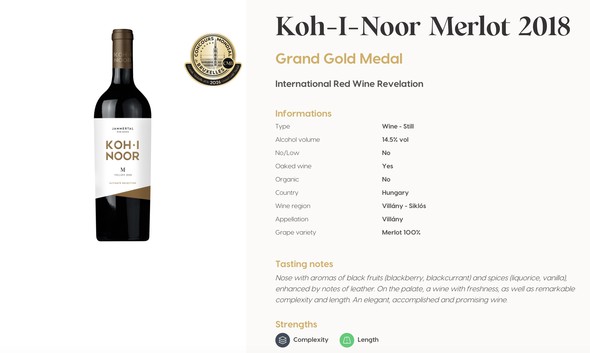
And now I’ve just received the news that the jury in Armenia, at the 2026 CMB, has once again awarded the “Revelation” trophy to a Hungarian red—specifically, the 2018 Koh-I-Noor Merlot from the same winery, now known as the Jammertal Estate. I’m not even sure what to say right now. Villány the region, the Villány Merlot (!), and of course the Jammertal Winery have definitively and irrevocably secured their place among the world’s elite. (Of course, this doesn’t automatically mean success and recognition, but anyone in the industry who’s paying attention will now be paying twice as much attention to Villány—that’s for sure!)
Let’s take a look at the results from the past 5 years at the CMB, at least as far as Hungarian medals are concerned:
2021: 3 Grand Gold, 5 Gold, 2 Silver
2022: 1 Gold, 8 Silver
2023: 3 Gold, 4 Silver
2024: 10 Gold, 9 Silver
2025: 2 Grand Gold, 13 Gold, 12 Silver
2026: 2 Grand Gold, 6 Gold, 10 Silver, and 25 so-called “merit” awards, which—due to the OIV’s 30% rule—are now being awarded at the CMB to wines that would otherwise have met the threshold for a silver medal.
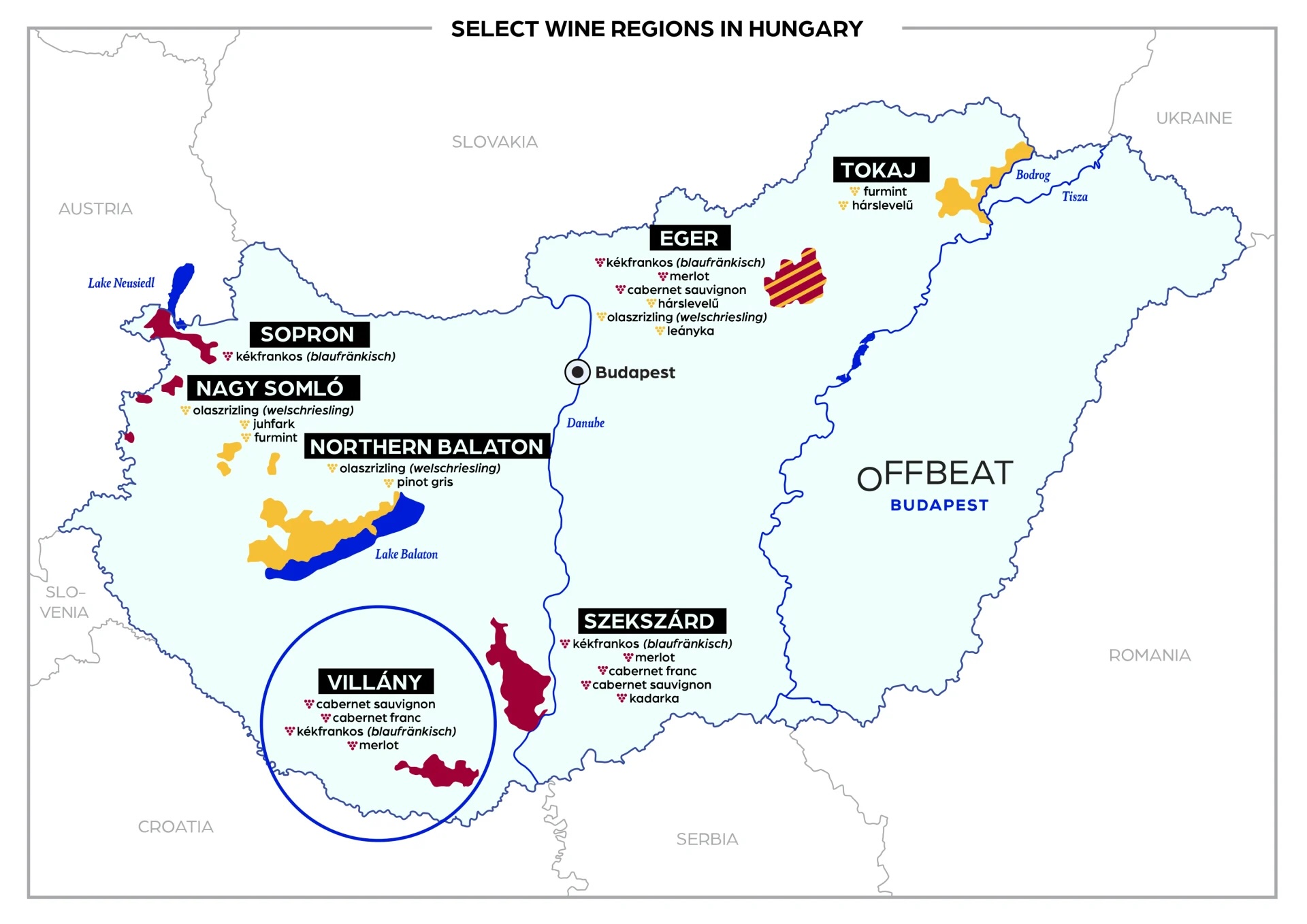
It is also striking that Villány performs exceptionally well at the CMB, thanks to the 2–3 enthusiastic participants who enter wines every year.
Wunderlich/Jamertal, for example, won 2 grand golds and 1 gold in 2021, 2 silvers in 2022,
1 gold in 2024, 2 golds and 2 silvers in 2025, and 1 grand gold and 1 silver in 2026, while the Bock Winery won 1 grand gold, 2 golds, 2 silvers in 2022, 1 gold in 2023, 2 golds and 4 silvers in 2024, 1 grand gold, 4 golds, and 1 silver in 2025, and 1 grand gold and 3 gold medals in 2026. This means that in recent years, these two wineries have brought home a total of 44 medals (Jammertal 12, Bock 22) from one of the world’s largest wine competitions, and if I add the other medals won by Villány (19 over the past 5 years), we can see that Villány has won 63 medals—an astonishing achievement for such a small wine region at this level!
Source: Here
As for the 2026 Yerevan wine competition, 30% of the 59 Hungarian wines entered received medals, but if I include the newly introduced “merit” award as well (as I mentioned earlier, this award is given to wines that reached the threshold for a silver medal but were eliminated under the OIV’s 30% rule), the percentage rises to 73%, which is exceptionally high.
Breakdown by wine region:
14 Somló – 7 merit awards, 1 gold
12 Szekszárd – 8 merit awards, 1 gold, 1 silver
3 Mátra – 1 merit award, 1 silver
17 Villány – 3 merit awards, 2 silvers, 3 golds, 2 grand golds
2 Balatonfüred – 2 silvers
1 Badacsony – 1 merit award
2 Eger – 1 merit, 1 silver
3 Tokaj – 2 merits, 1 silver
5 Tolna – 2 merits, 2 silvers, 1 gold
This reveals the following (which I’ve also mentioned a thousand times before regarding the internal logic of wine competitions): Villány entered enough wines to be assigned to a single judging panel, meaning the Villány wines were likely tasted one after another (perhaps along with Somló), while the others were scattered throughout the judging process, appearing before or after a Mexican, German, or even Canadian wine. It’s immediately apparent that if the entries are consistent and the average quality of the wines is good, then after a while the jury will “buy into” what they’re tasting—and the shiny medals will start rolling in!
(BTW, if the entries were submitted not by individual wineries but, for example, by the wine region itself, a significant discount on the entry fee could be secured; and if there were a national pre-tasting—as the Czechs do for GROW—the proportion of medal-winning wines would be even higher; I guarantee it.)
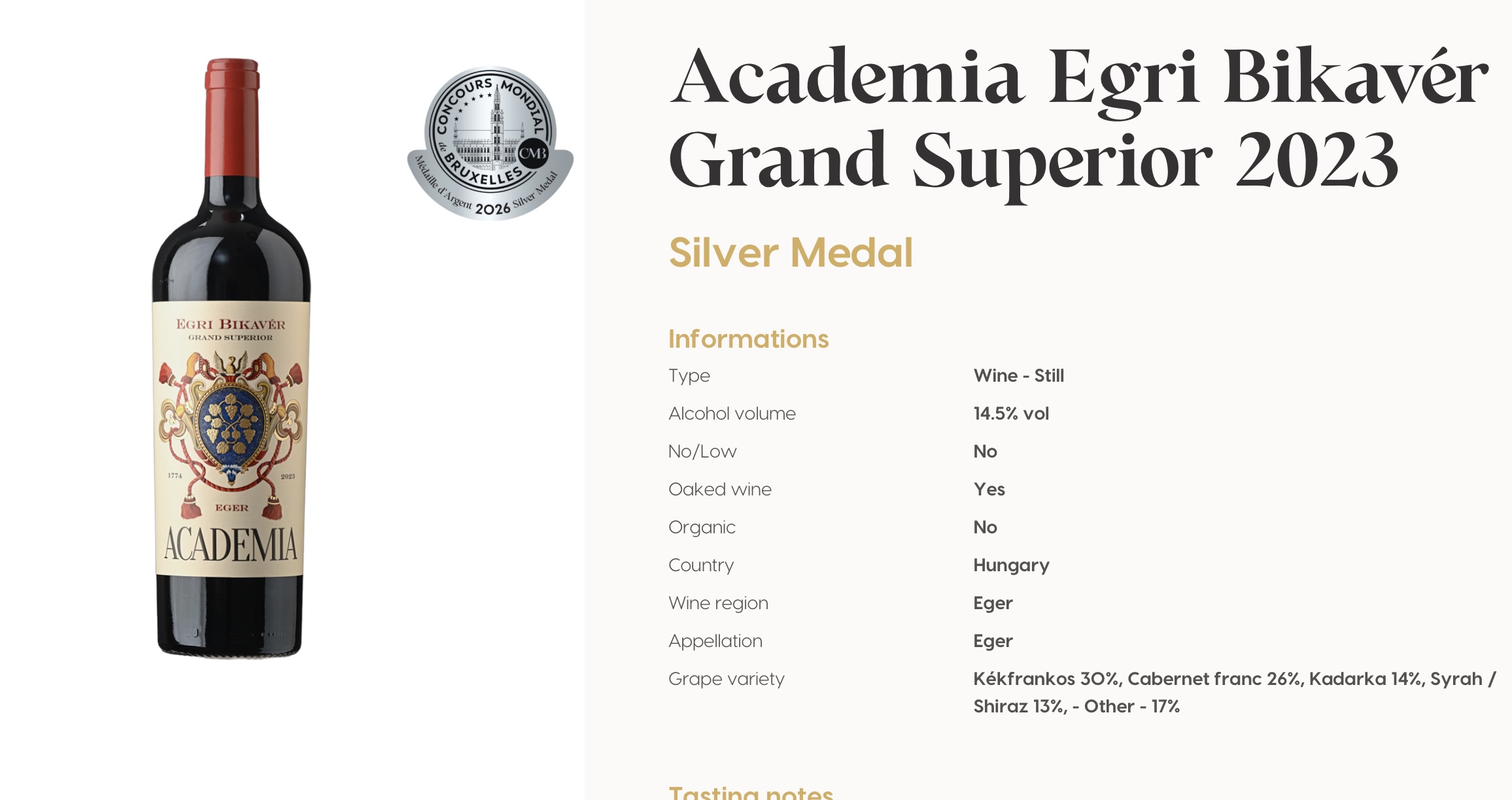
It’s a special joy for me that the winery of my most recent (and perhaps future) school, Eszterházy Károly Catholic University, also took home a silver medal with its 2023 Academia Egri Bikavér Grand Superior!
As for the usual Central and Eastern European roundup, I can’t skip it this time either—at least in brief.
Albania - 1 merit, 1 silver
Austria - 1 merit, 2 golds (the Austrians only like this competition when the Sauvignon Selection is included)
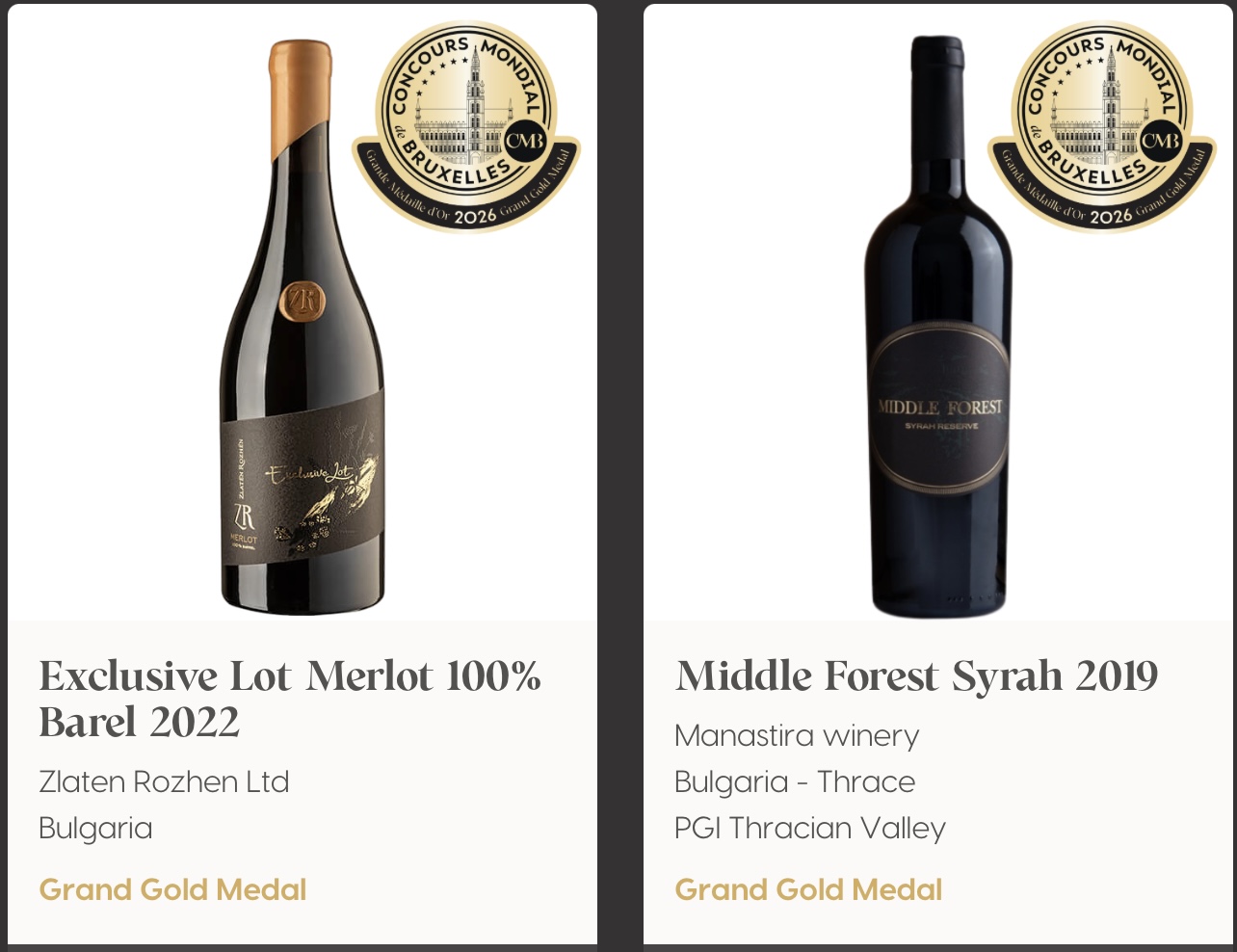
Bulgaria – 2 grand golds, 15 golds, 14 silvers, 52 merits
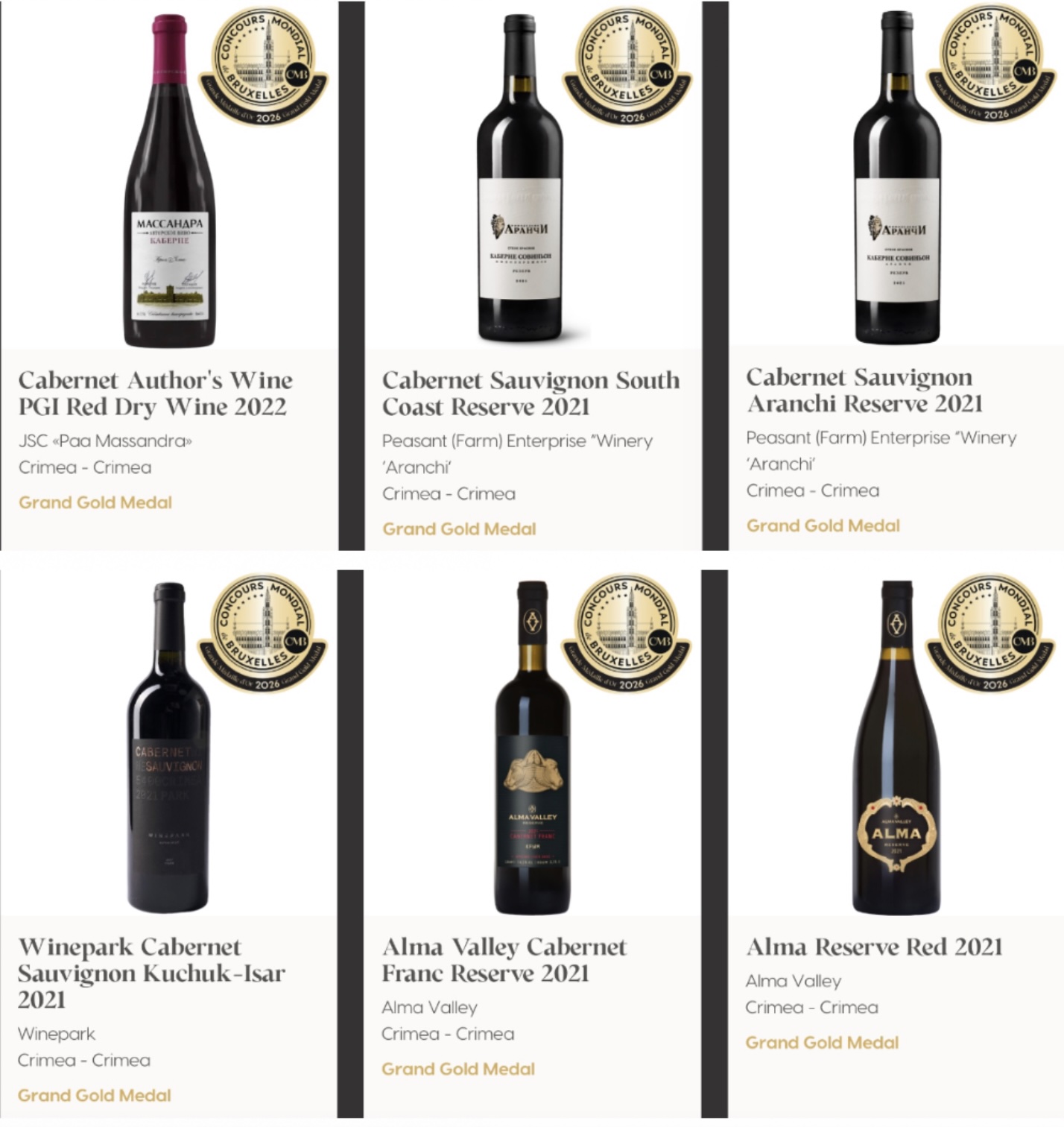
Crimea – 6 grand golds, 6 golds, 5 silvers, 18 merits (a truly astonishing result, though I must be way behind in geography if, according to the CMB, the Crimean Peninsula is a separate country!)
Croatia – 1 gold, 7 silvers, 13 merits
Czech Republic – 1 gold, 7 silvers, 7 merits
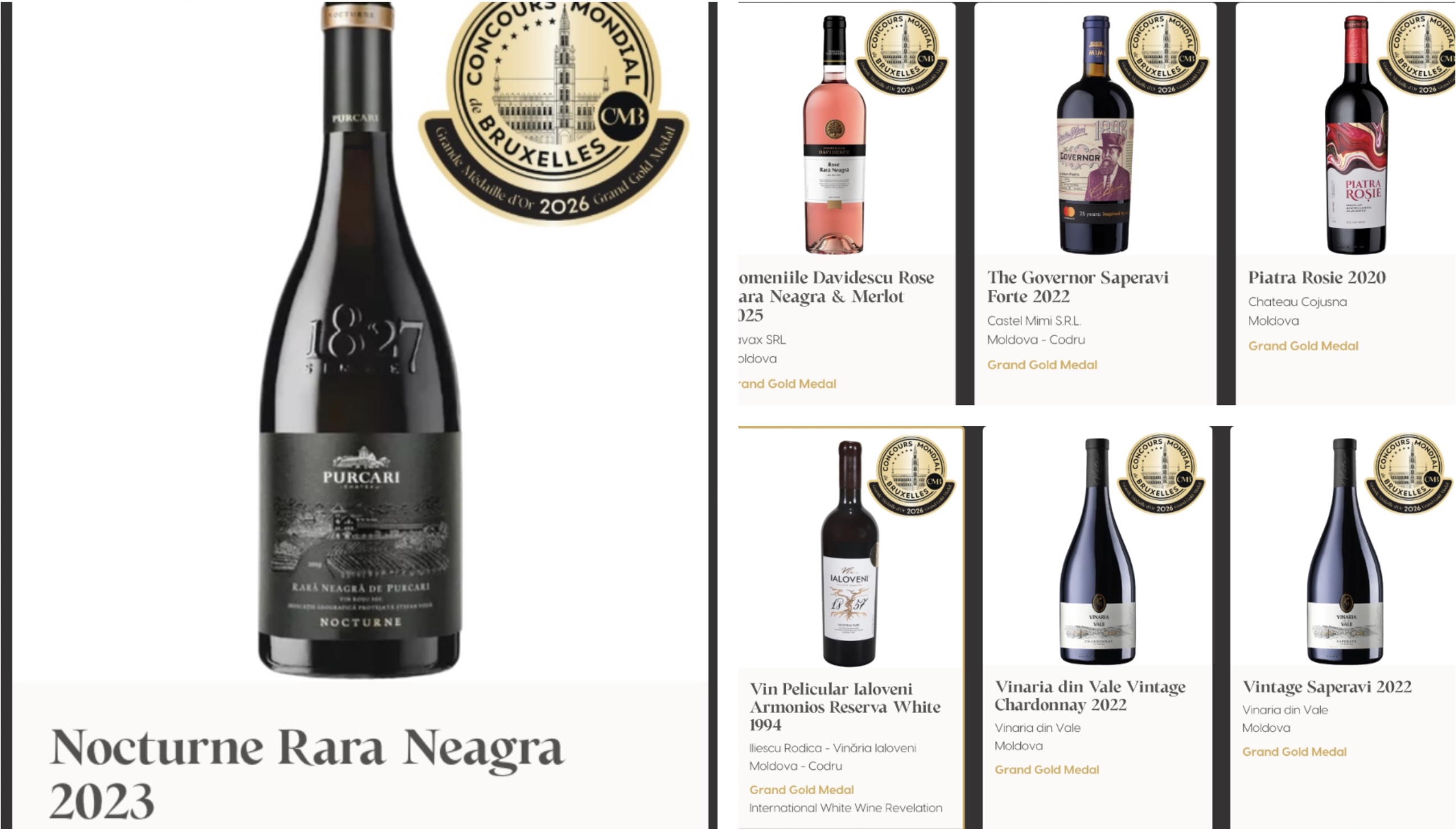
Moldova – 7 grand golds, 32 golds, 27 silvers, 42 merits
Montenegro – 1 gold, 2 silvers, 3 merits
North Macedonia - 2 golds, 2 silvers, 3 merits
Poland - 1 gold, 5 merits
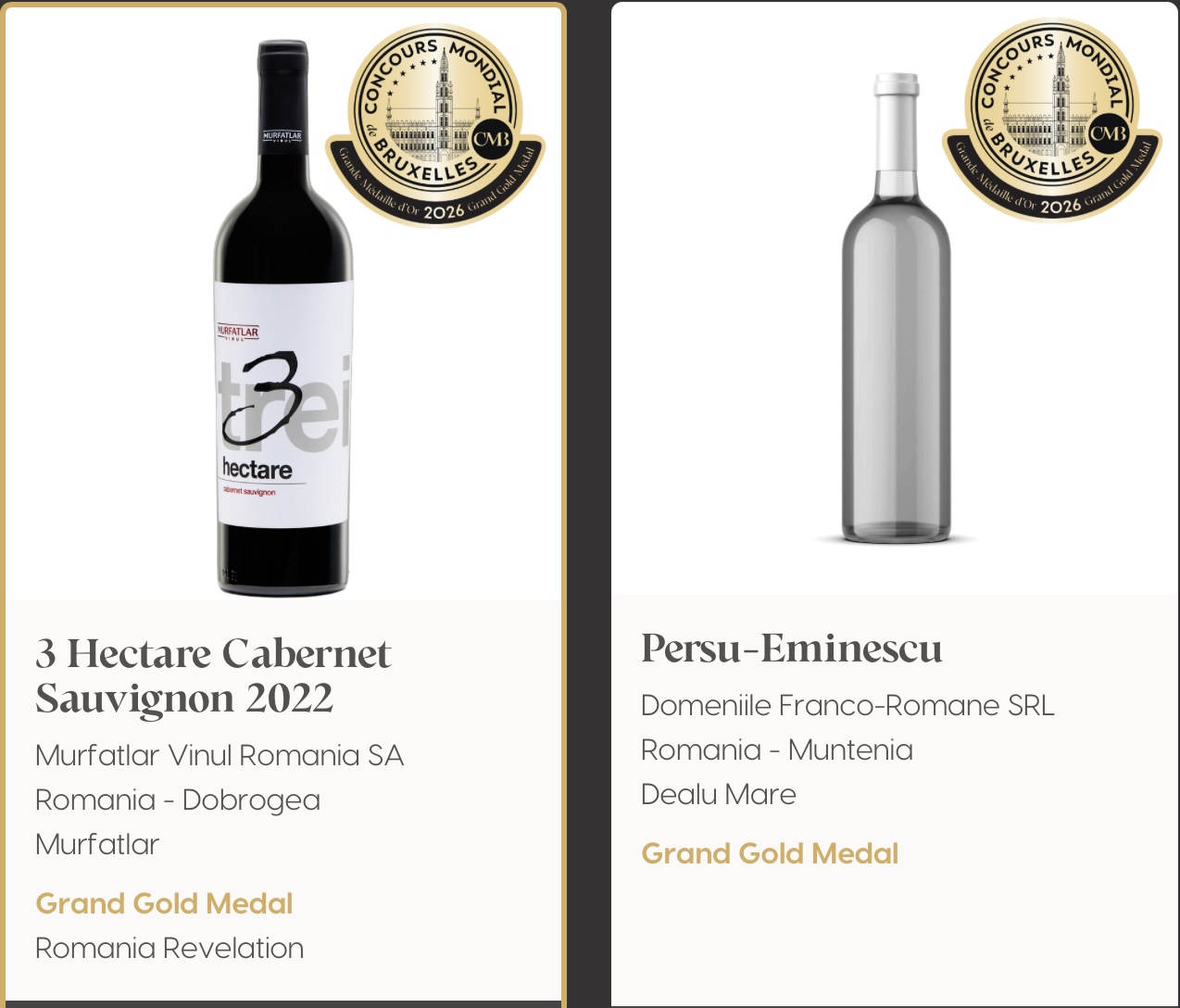
Romania - 2 grand golds, 28 golds, 35 silvers, 79 merits
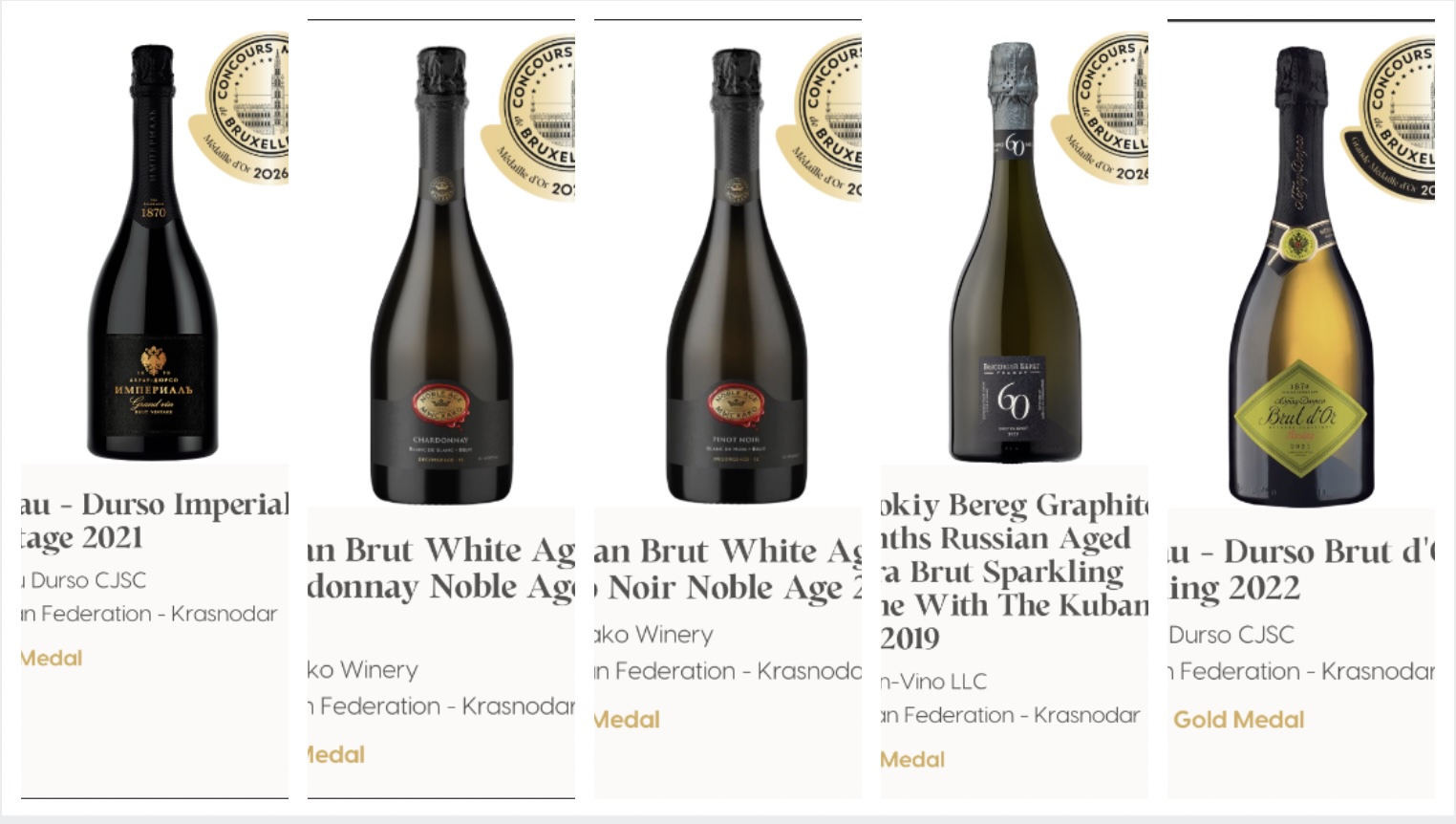
Russia - 7 golds, 7 silvers, 15 merits
Slovakia - 1 gold, 2 silvers, 13 merits
Slovenia - 1 silver, 1 merit
Ukraine - 2 golds, 1 silver, 10 merits
So far this year, Serbia has not won a single medal or merit—neither in the rosé, sparkling, white, nor red categories. The fact that Kosovo and Bosnia and Herzegovina are not represented is less surprising, though I know of some superb wines from those regions as well, but the Serbs’ absence speaks to a serious lack of vision. The Russians’ return to the competition was likely due to the venue—that is, Armenia—and I strongly doubt there will be Russian entrants in Portugal next year, unless they enter under the extremely strange “Crimea” designation. Finally, a personal note. I was on a sparkling wine judging panel, and I was presented with (as I later learned) a few Russian sparkling wines from Krasnodar. If that’s what their sparkling wines are like over there, the world had better watch out!
You can browse the detailed list of results here. We congratulate all the Hungarian award winners, and we hope to enjoy even more Hungarian entries at the CMB next year!