

Sometimes I tend to think I will never be able to tame my ear and tongue enough for the proper use of the language.
During one of those moments of utter despair I tried to find an escape route to something I was more or less familiar with. Wine looked like an obvious answer: I like it, I’m interested in it and I’m keen to learn more about it. Austrian wines are well-known and enigmatic at the same time and that ignited my curiosity.
A bit of geography and history
We all so much aware of GV or Grüner Veltliner. This is the grape variety Austria pushed into the forefront when their wine industry has been reborn phoenix-like, from its ashes following the infamous diethylene glycol scandal in the middle 1980s. Thanks to their highly consistent, persevering marketing campaign ever since, Austria is now worldwide recognised as the home of Grüner Veltliner.
With respect to wine regions the rule of thumb is that the further east you go within the country the more vineyards and wineries are to be discovered. No surprise, since the five westernmost provinces of Austria are commonly known as Bergland, i.e. Mountain Land with the peaks of the Alps soaring all over the place. Not a typical wine-growing zone, to be honest.
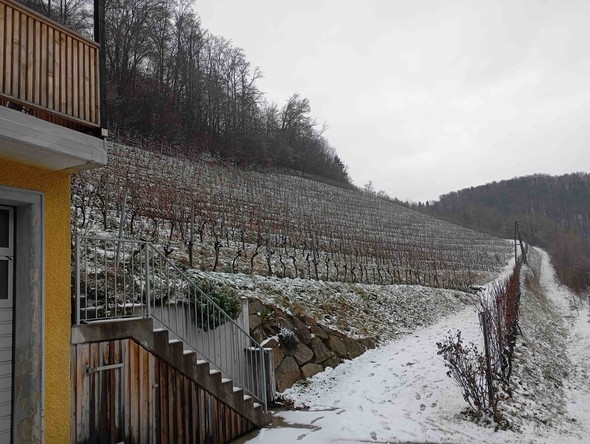
And yet, according to historical data vineyards were pretty abundant all around Upper Austria up until the late Middle Ages. But then came LIA. No, not a witch who cursed all grapevines of the province, but the Little Ice Age that spread across Europe. As a result, the majority of vineyards simply vanished. Fun fact: some sources claim that beforehand there was more wine produced in Upper Austria than it is now in the entire Weinland (the Eastern part of the country including Burgenland, Lower Austria and Vienna).
There came quite a long pause of more than 300 years. But then, around the turn of the millennium some bold pioneers showed up. They aimed to break through the well-established and (rightfully) adored beer culture by introducing genuine Upper-Austrian wines both to locals and to the wider public. They probably said the title of this article in that very special, Upper Austrian dialect out loud: Hob koa Ongst – I do not fear.
Why Upper Austria?
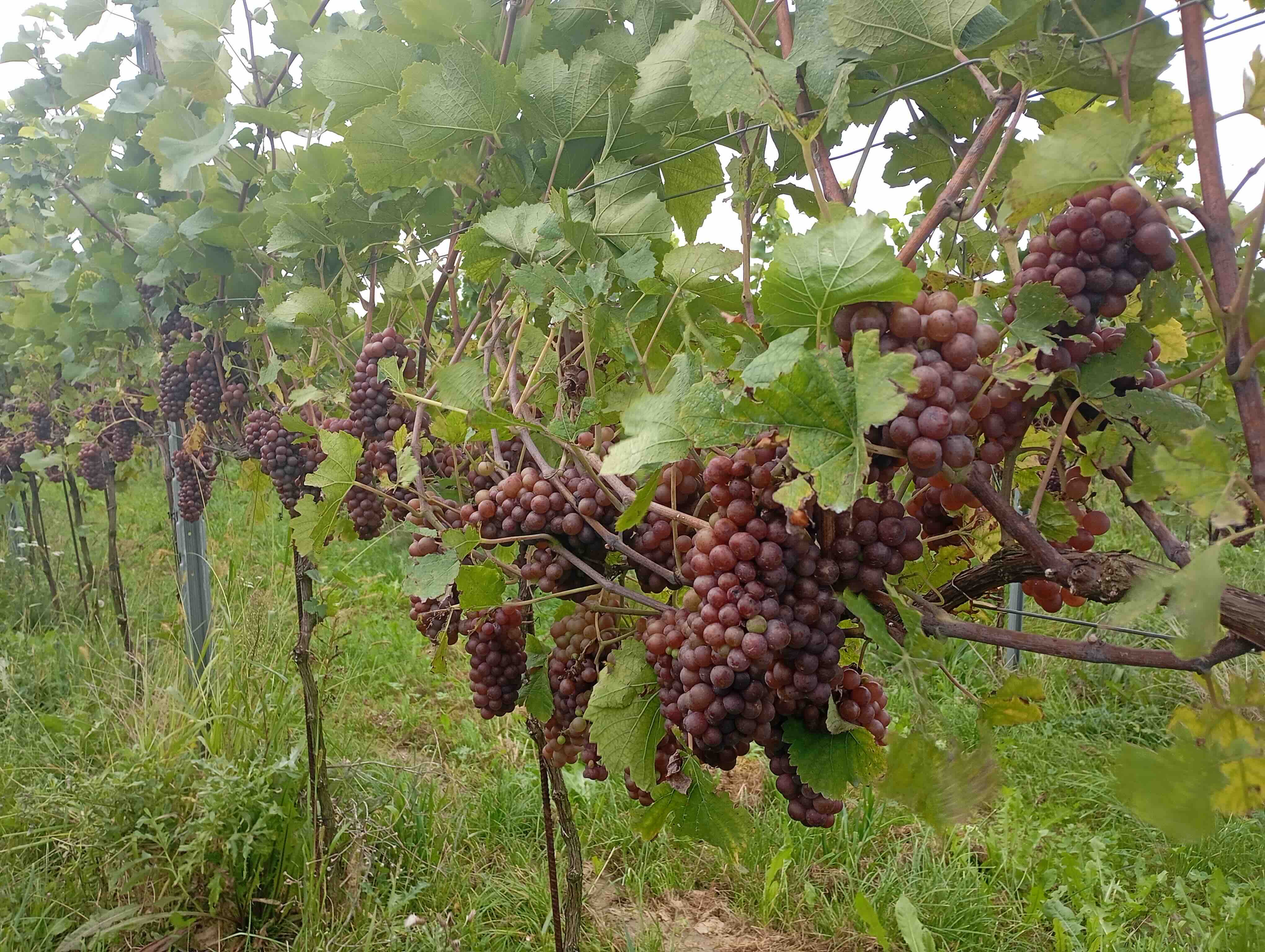
As far as grape varieties are concerned, this province does not differ significantly from other parts of the country. GV is their flagship wine, too, but Muscat Lunel, Pinot Blanc, Sauvignon Blanc, Zweigelt and Blaufränkisch can also be found in the vineyards. As well as Gemischter Satz which is a kind of cuvée with the difference that in this case the different grape varieties are harvested – and thus, fermented – together, instead of blending the wines at a later phase. Pros can call it a field blend.
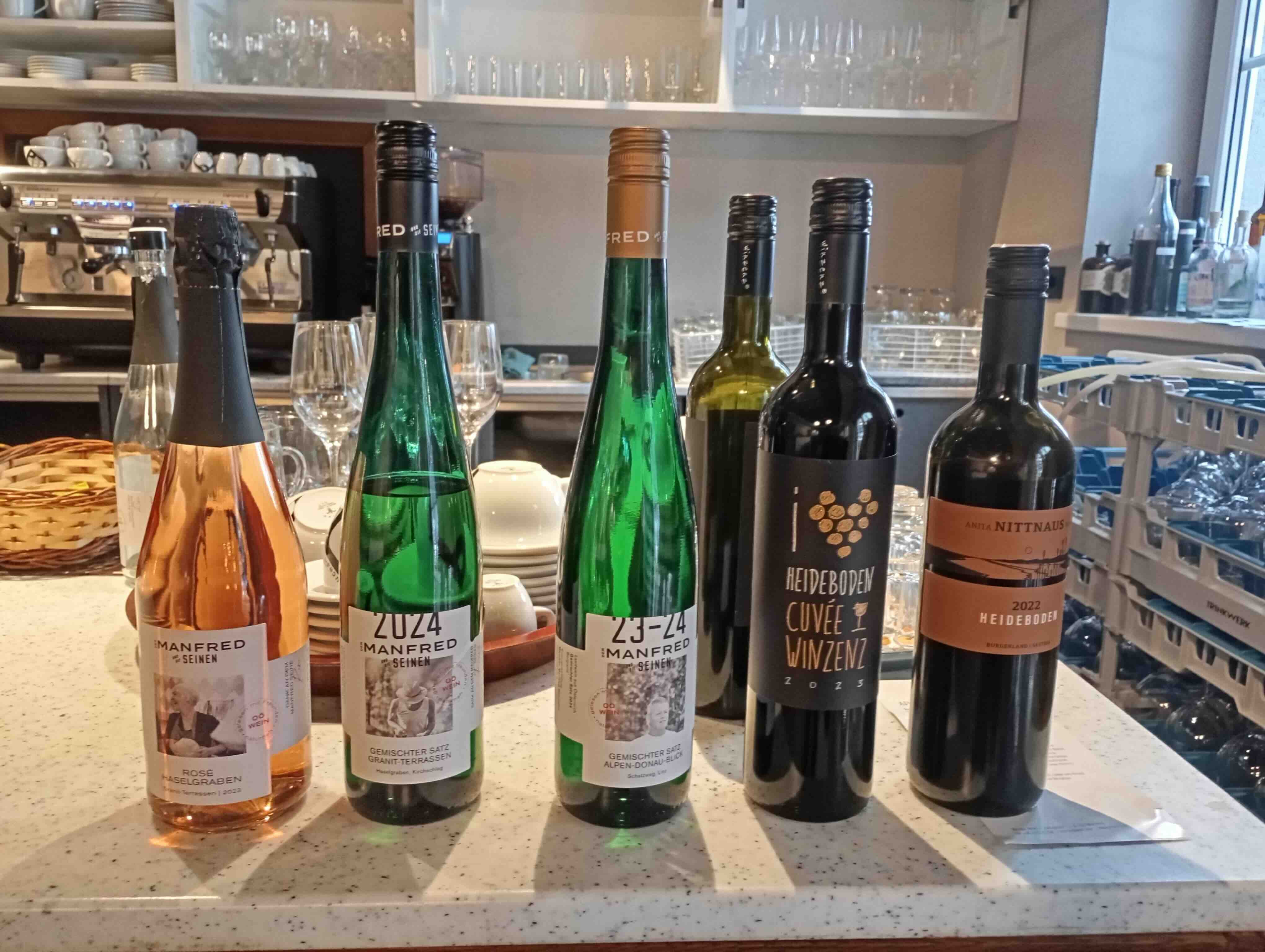
So, if all these wines are produced all over the country (and abroad), why is it worth looking for them? Considering that Upper Austrian vineyards cover only around a hundred hectares altogether, it is really not that easy to come across these products. Should we still go to great lengths to get them?
I had the opportunity to visit some of the local winemakers and I asked each one of them about why one should have picked wines originated from this region. To whom would they recommend them? They unanimously emphasised the cooler climate that can be felt and tasted in these wines. Fresh and vibrant acidity, primary fruity aromas and white floral notes are their main attributes. Based on my own experience I can only agree with them.
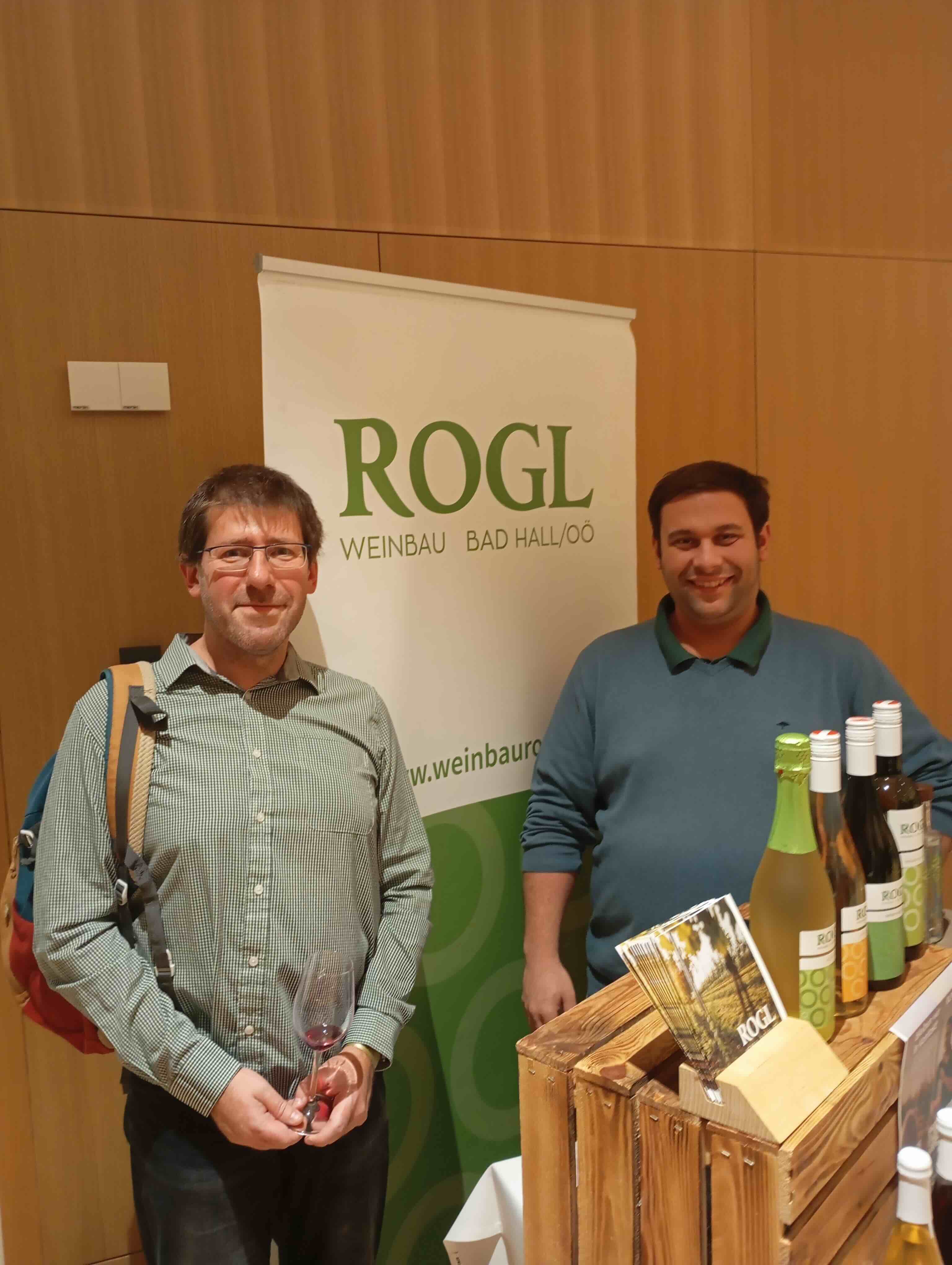
I have been diligently making tasting notes and I would gladly share them while introducing some small-scale, but excellent Upper Austrian wineries, so follow me in my quest of putting Upper Austrian wines on the map for non-local wine enthusiasts.
To be continued…