


How long has your family lived in Villány?
Gábor Szende: I am a seventh-generation Swabian from Villány, and my son is the eighth. Records show that my family has lived here since the early 1800s. In the 1940s, everyone had to prove their ancestry back to their great-grandparents, and it was recorded that the family lived in Villány, worked with grapes and wine, and paid taxes. It is interesting that the latter was specifically noted, isn't it?
Why was it necessary to prove one's ancestry?
SzG: This is a dark chapter in Hungarian history. Of course, it was to find out if my ancestors were Jewish. They were particularly suspicious because the original family name was Schwarcz and my grandfather even had a general store. Of course, everyone had to prove it, not just him. So they didn't deport him, they just took his shop, his vineyard, and his house a few years later.
Were they deported?
SzG: No, they didn't have to leave Villány. The older folks didn't like to talk about it, even though I asked them plenty of questions. It was as if they were ashamed of having to start all over again from scratch. My grandmother died in 2020 at the age of 100, but whenever the subject came up, she would change the subject after a few sentences.
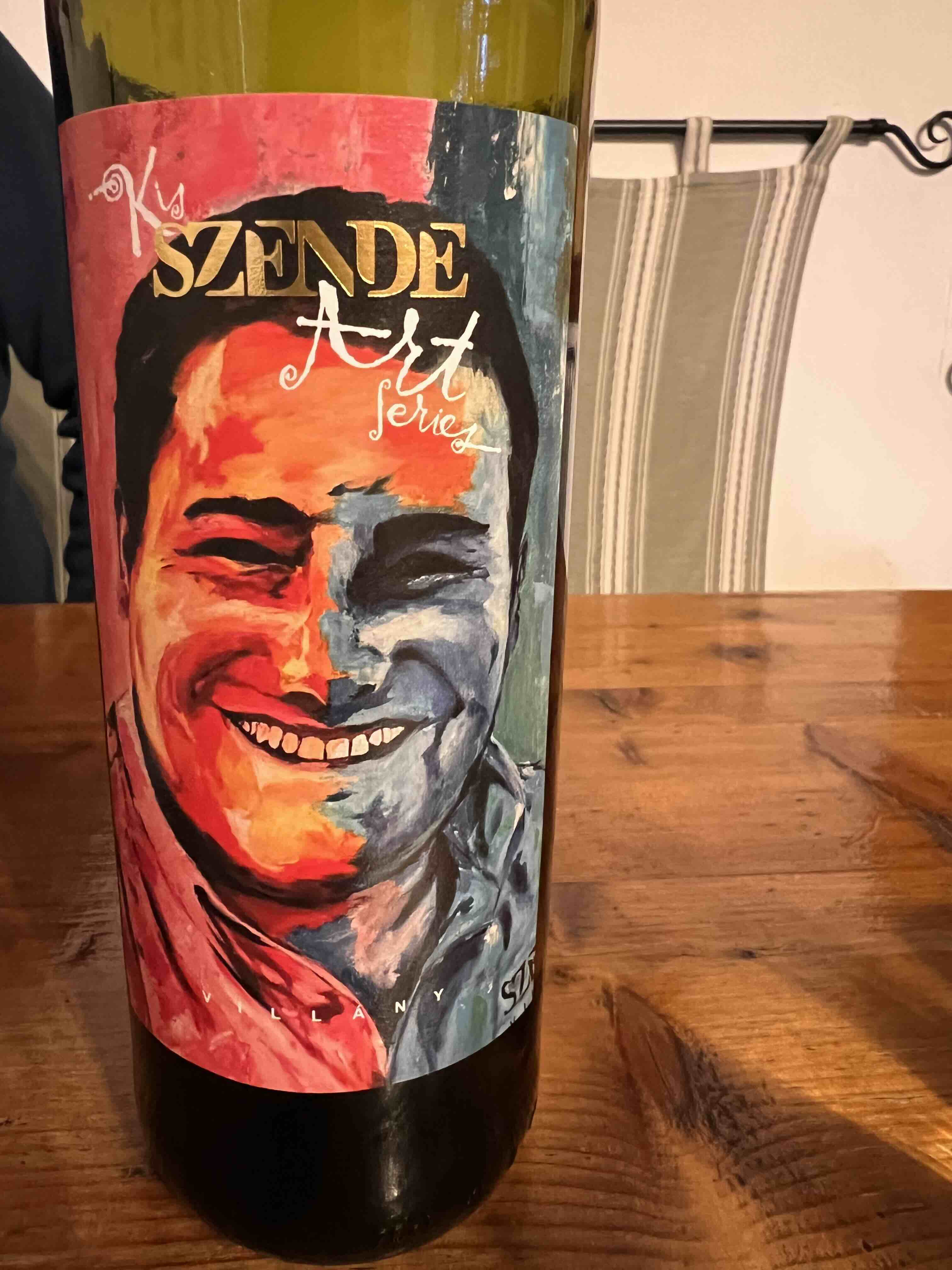
Kis Szende 2022 I 91 points
(Grenache, but since it is not an authorized variety in Villány, it cannot be written on the label) Medium ruby color. The aroma is rich in black berries, blackberry jam, cedar, and Mediterranean herbs. Full-bodied on the palate, with nice acids and firm tannins, dominated by red berries, strawberries, sour cherries, and raspberries, but with increasingly intense spiciness. A lively, complex, elegant, great wine.
Was viticulture and winemaking always the family's main occupation?
SzG: No, it was more of a supplementary income than for everyone else. My grandfather made a living from his general store, and then after it was nationalized, he was taken back to his own store as a manager. You can imagine what he went through! He was allowed to keep a small amount of grapes, as much as the system permitted, and the local farmers always made wine from them and sometimes sold it at a much better price than the cooperative's wines.
So how did you become a winemaker?
SzG: It was actually by chance. My parents wanted me to go into public administration, so after school I started working at the Council, and in 1995 I left the local government as a deputy clerk. That was when the viticultural districts were formed, and I became Villány's first wine community magistrate, which was a huge honor because the local winegrowers and winemakers elected me to this position. I stepped down from the position in 2005, when my son was already attending wine school, and I felt that I needed to focus more on my own estate if I was serious about it.
What exactly did that mean?
SzG: I built a new processing plant, planted vines, things like that.
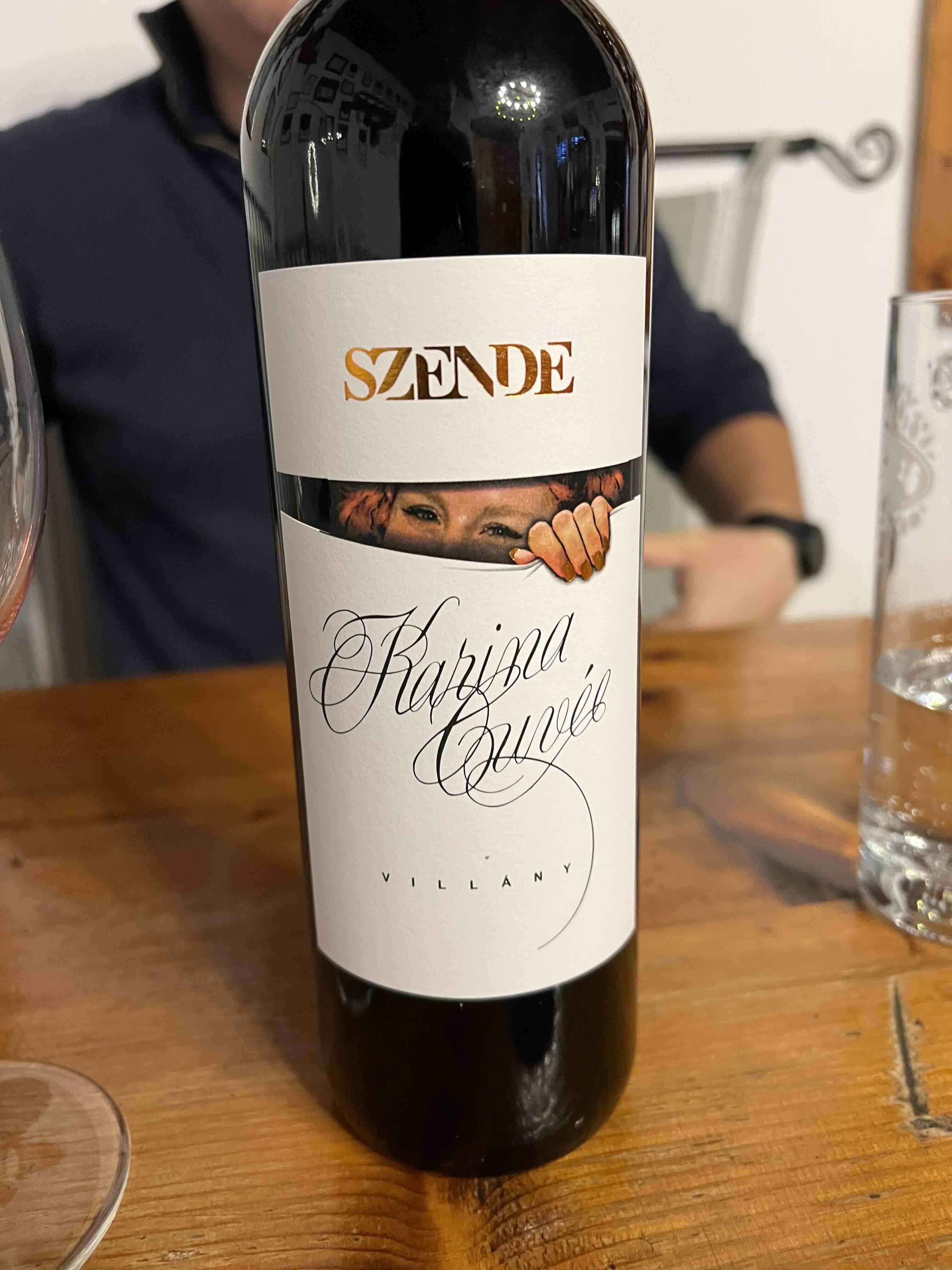
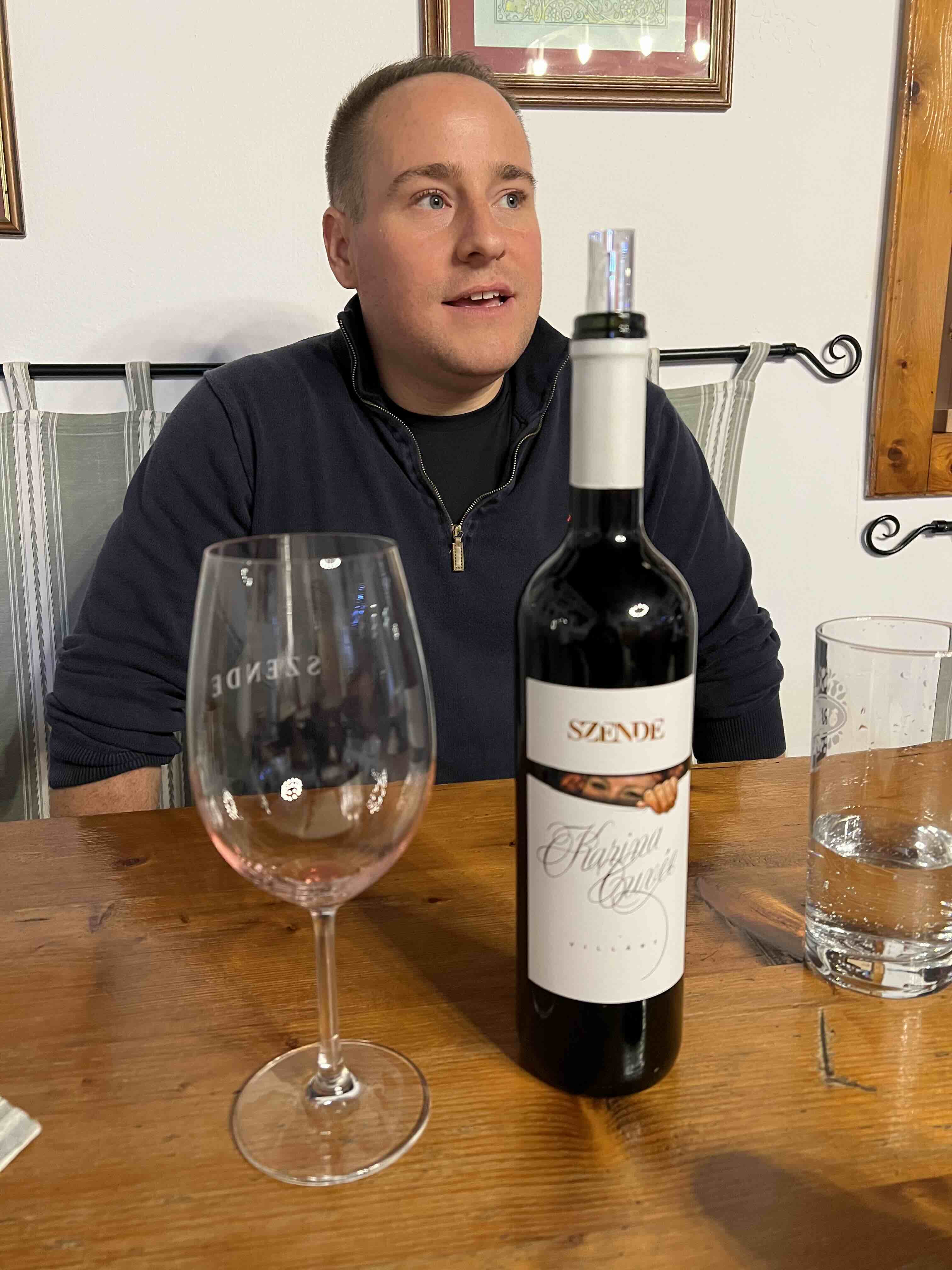
Karina Cuvée 2020 I 87 points
The winery's entry-level red wine, with a correspondingly lighter, fruity aroma, lively acids, a nice balance of fruit and spice on the palate, and a medium finish. At the winery price of 2850 Ft, it's a bargain!
But by then you already had this wine tourism press house in the Villány wine cellar row, where we are tasting wine now, right?
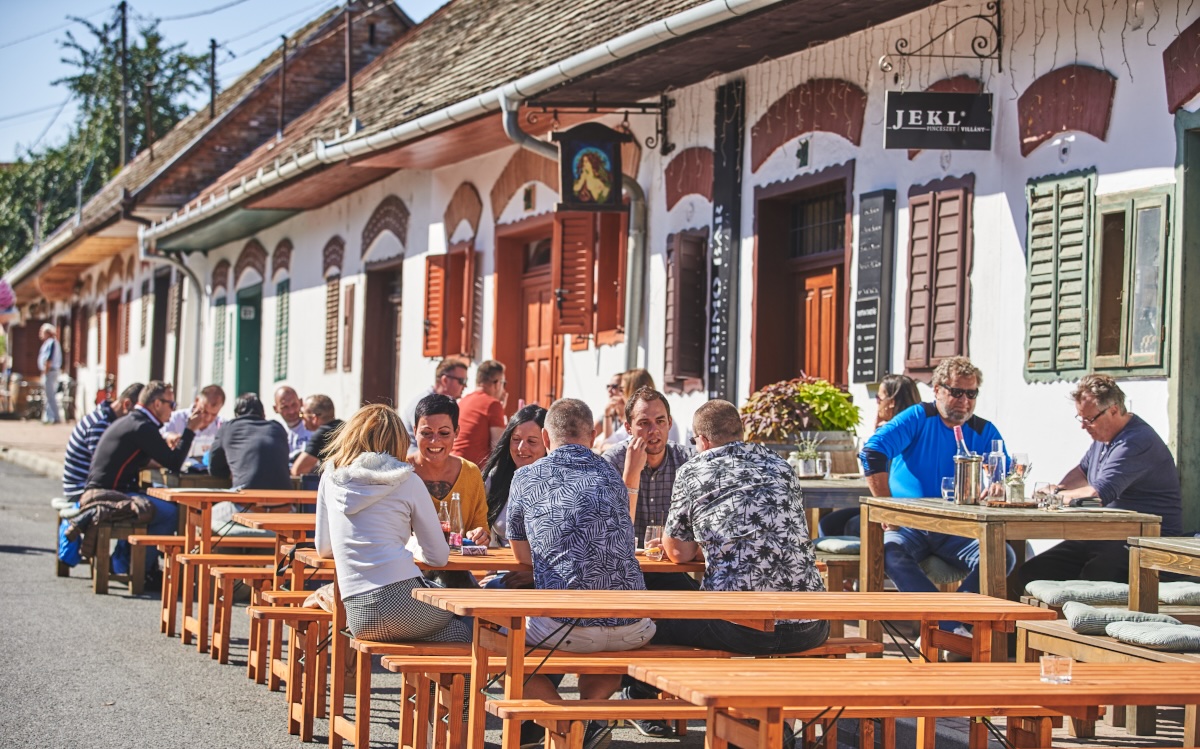
SzG: By then it had already been around for ten years, as we opened in 1995, the first one in the wine cellar row. The people of Villány didn't even understand what we wanted, as everyone had their own wine at home. "Who's going to buy this?" they asked. Of course, we didn't rely on them, we just learned from the Austrians, where it was already very fashionable at the time, and we believed that sooner or later, customers from far away would come to us too. At first, we only had three wines: Oporto, Kékfrankos, and Cabernet Franc.
Did you say Oporto?
SzG: The first nail in Oporto's coffin was the name change. In 2003, it was still Oporto on the label, but in 2004 it was Portugieser. Customers came in and immediately asked, "What's this, a new wine in the range?" At least here we had the opportunity to explain, but there was no one standing in front of the Tesco shelf to take on this burden, so there was an incredible drop in sales. I tried to resolve the tension that arose from the situation by writing on the label: "Portugieser wine made from Kékoportó grapes." Of course, they told me that this was not allowed, but it quickly became clear that only the wine could no longer be called Oporto, but the grape variety could. In the end, for the sake of peace, I removed the offending passage from the label, but they admitted that I was right.
Why Oporto?
SzG: Everyone in Villány had Oporto, and Kadarka too, but the Swabians were pragmatic people. Kadarka produced good wine twice in ten years, while Oporto produced it eight times, so of course they favored it! But, as I said, demand continued to fall, partly because of the name change and partly because international varieties completely dominated the market and the wine discourse. There was simply no Cabernet Sauvignon that couldn't be sold! A huge planting frenzy began, and we are still reaping the consequences today. When I was a wine community magistrate, the ratio of red and white grapes in the wine region was 50% to 50%, now it is 82% red and 18% white. Now the demand for white wine is growing, everyone wants to plant white, even though I saw Italian Riesling plantations being converted to Cabernet thirty years ago. Portugieser is still the third most widely planted red grape variety in the wine region, and this should not be lost.
You have a Portugieser in your range that breaks with the traditional image of Oporto...
SzG: In 2008 or 2009, I can't remember exactly, we decided to launch a Portugieser that my grandparents used to make. To do this, we "only" had to reduce the yield and find the right vineyard.
What was this "my grandfather's wine" like?
SzG: My grandfather's Oporto was always a little thicker than the others, because he and my grandmother always drank schiller at home. It was also made from Oporto wine, but when it "threw up its hat," meaning when the Oporto wine began to ferment, he drained 20% of it from the tap to make schiller, meaning that the remaining 80% became more concentrated and came into contact with more skins during fermentation. And it worked! His schiller was also more red wine-like, fermented in wooden barrels. Of course, the Oportos of the past were not pure Oportos either; mixed plantations often included Kékfrankos, or if not, a little Kékfrankos was blended in to improve the acidity and extend the shelf life. Later, in the 1990s, they were blended with Blauburgers for color and better sugar content. In the past, cultivation methods were also different, with Oporto being cultivated using the traditional method, and perhaps the clones were also different. The older, 80-100-year-old vineyards cultivated using the bush method were naturally more restrained and did not produce as much. This may also have been key to the quality. In addition, the vines were planted in a 90x90 spacing, producing roughly 1 kg per vine. That was the secret.
How did this particular thicker Portugieser come about?
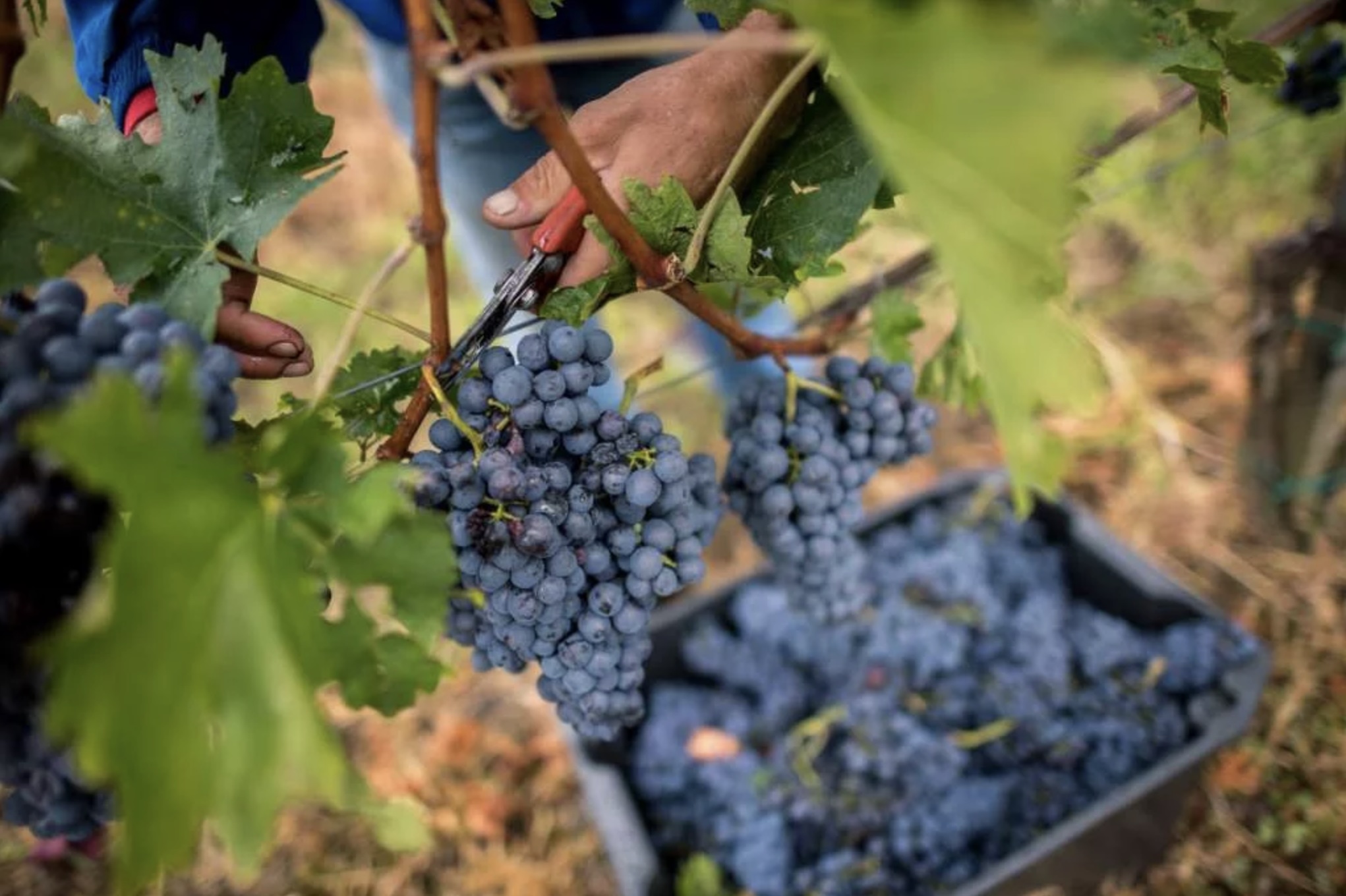
Gábor Szende Jr.: I had an idea of how to make guests fall in love with Oporto wine again. During the green harvest, we threw away a lot of bunches from our plantation in Ördögárok, and that's how the cellar's top Portugieser is made, though not every year. After 2009, 2016, and 2019, the next vintage will be 2024. If the grapes start to shrivel, we can make a thicker Portugieser from them; if not, the raw material goes into the cellar's basic Portugieser, which we make reductively. If the tannins start to develop, then with a late harvest at the end of September and a higher must content, it will easily reach 14.5% alcohol, after which it will be transferred to 500-liter second- and third-fill barrels for about 16 months. The end result is a robust, thick, yet fruity red wine with a long aging potential, and guests love it! It is not labeled as a Portugieser selection, but rather by the wine's fantasy name: Gábor. I think if they saw that it was Portugieser, they wouldn't even taste it, but this way they really enjoy it and only find out what they've been praising at the end. It's slow, painstaking work, but it pays off. Guests are now waiting for the new Gábor because the 19 is sold out, but they will have to wait a while because the 24 will not be available until May 2026 at the earliest.
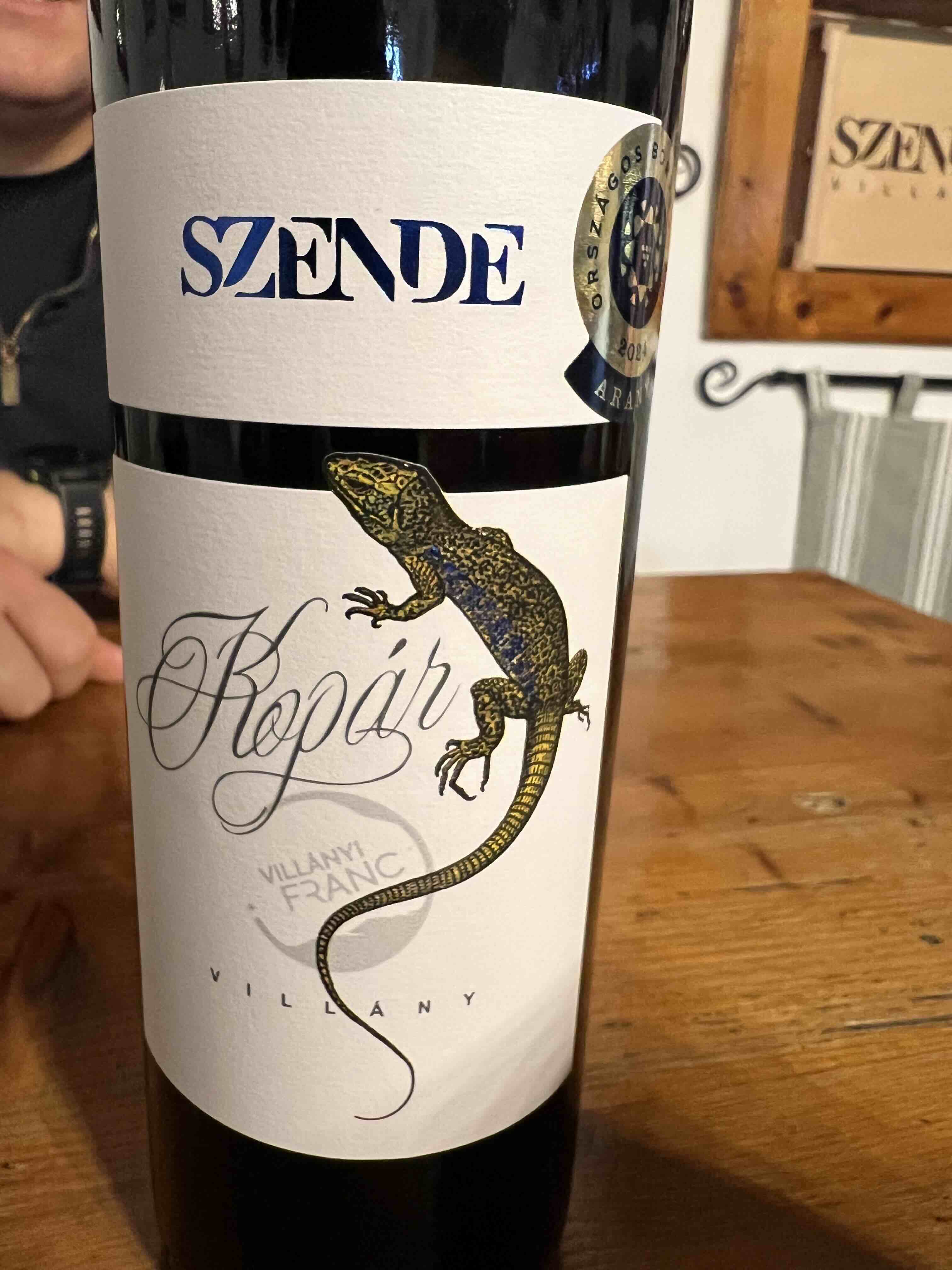
Kopár Villányi Franc Premium 2020 I 92 points
Deep ruby color. Its aroma reveals blackberry, graphite, cedar, and even my grandfather's aftershave from my childhood, but since Proust, we know that this is not so impossible. On the palate, it is full-bodied, dense, almost chewy, with firm tannins, complex and deep fruitiness, cocoa, and a hint of cognac cherry. The finish lingers very long in the mouth.
Why aren't there many Portugieser wines on the shelves?
Ifj. SzG: Many people don't bother making Portugieser wines because you can't price them in a supermarket; you need a restaurant to be able to sell them locally. My exam wine at school was a Portugieser, and I fell in love with the variety right then and there. I hope that more and more people will try to show the old/true face of Oporto, because this is Villány itself.
If this is Villány, then the question arises, what do you drink at home? Portugieser or a fuller-bodied Cabernet Sauvignon?
Ifj. SzG: I don't drink anything anymore, I've completely stopped consuming any kind of alcohol.
SzG: My mother drinks a deciliter or two of Oporto every day, and she even drinks it mixed with soda water. At home, we only drink this with lunch, not full-bodied Cabernet. My 100-year-old grandmother drank it too. No wonder, it goes best with cabbage „héverknédli" ! (laughs)
Excuse me, what?
SzG: Héveknédli is a steamed dumpling with sausage and cabbage. In the old days, it was made by stuffing cabbage. When the filling ran out and only the cabbage remained in the pot with the edge of the ham, my grandmother made these dumplings in the steam.
The name of the dish sounds quite "Swabian." Do you speak Swabian?
SzG: I learned Hungarian in kindergarten; my mother tongue is Swabian. My great-grandmother and grandmother didn't really speak Hungarian. My mother often told me that at first I would come home from kindergarten with a flood of complaints, of course in Swabian, that the others didn't understand me and I didn't understand what they were saying. Then in the 1980s, when I was working at the Council, I was always called upon to interpret when elderly Swabian women came in to complain about something. It was like two different worlds, and I was the link between them.
SzG Jr. I learned German at school, but when my grandparents spoke to me in Swabian, it annoyed me because I didn't understand a word of it. I felt that it was German, but not literary German, so in the end I didn't want to learn Swabian.
SzG: The generation with whom you can speak Swabian is dying out. Marci Mayer, Józsi Bock, Tamás Günzer, Zoli Günzer, we still speak Swabian among ourselves, sometimes even Valér Bock tries, but those with whom we can speak this way are disappearing. Let's say that different villages speak different dialects, a Swabian from Hajós or Bóly speaks a completely different language than those from Villány.
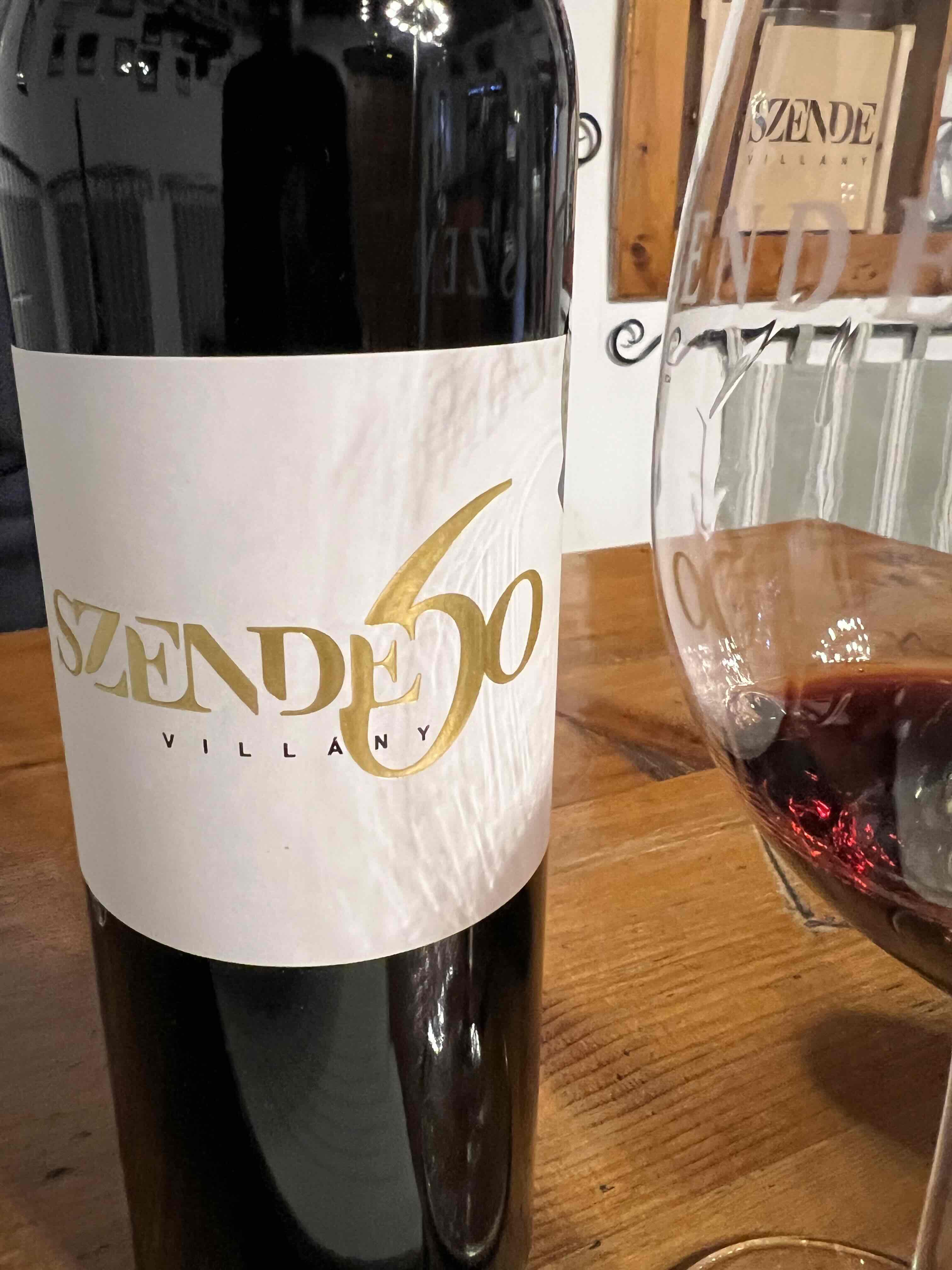
Szende 60 2018 I 88 points
Deeper than medium ruby color with very slight garnet reflections. The aroma also reveals its age, with pomegranate, balsamic vinegar and cedar as the leading notes. Full-bodied on the palate, but the acids keep the sip nicely balanced. There are still fruits in the flavor profile, but tertiary aromas and barrel spices have already appeared. Medium finish.
Can you give me an example?
SzG: Of course! In the 1980s, Swabian women often came, but we were already closed, so I told them to come back the next morning. They replied that they couldn't come because "morgen kommte postás und holt nyugdíj" (the postman is coming tomorrow to deliver my pension), which still rings in my ears to this day.
How is the 2024 vintage?
SzG Jr. In 2024, everyone had problems with the fermentation of Merlot. There are things in the cellars that you wouldn't believe if you knew about them! We have a Merlot with 17.5% alcohol and 14g of residual sugar, but I hear that the situation is similar everywhere. Obviously, you try to blend it at this point, and it loses 0.5% of its alcohol during barrel aging, so it might end up around 16%, but the sugar will remain, no matter what you do. In the end, I think it will be released, although at first I wanted to sell it as bulk wine. Now I like it more and more! If that's how the vintage turned out, why should we be ashamed? That's what makes the wine unique, isn't it?
If you could only pick one wine from the range, which one would it be?
SzG Jr. Now that we've sung the praises of the Oporto, it would be strange to say anything else, but I would still pick our Merlot wine called Múzsa. I don't know of anything better than this at the moment!
Múzsa Merlot 2020 I 96 points
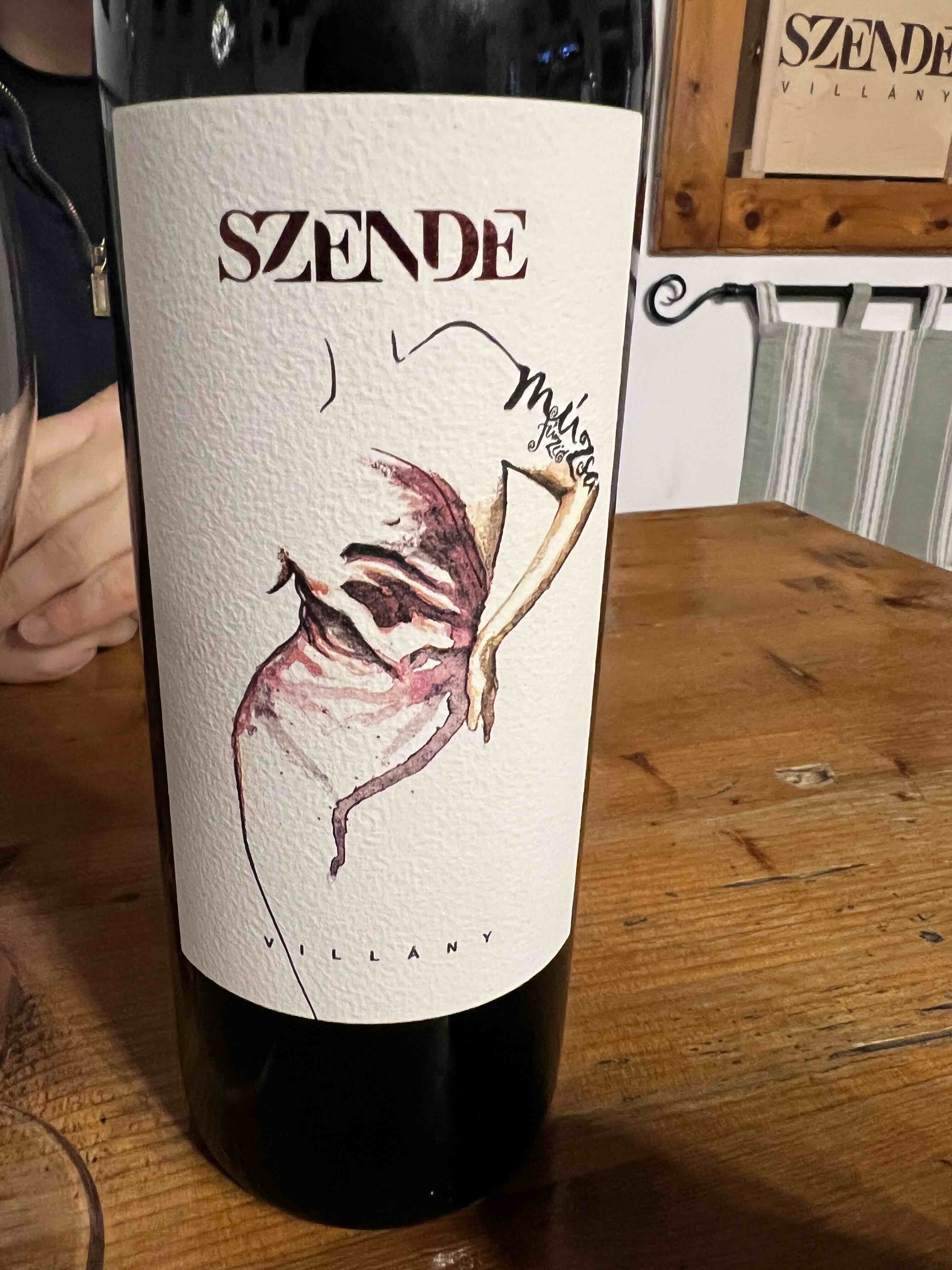
The wine that won everything in 2023, and no wonder! Deep ruby in color, but the complexity of its aroma is enchanting, with chocolate and blueberry, plum and cedar, blackberry and blackcurrant. On the palate, it is full-bodied with rounded acids, and as time passes, new layers of the wine unfold, with an almost endless finish.